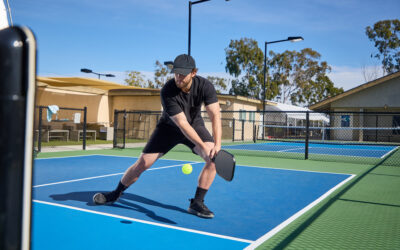
A Guide to Pickleball Shoes for Every Skill Level
Find the right pickleball shoes for your game. Learn what features matter most for comfort, support, and mobility on the court.


If you’re a woman participating in sports, the workforce, or just everyday life, you might have noticed that shoes built for women don’t always hit the mark. Historically, a lot of footwear companies have developed women’s footwear by reducing a men’s size shoe, changing the colorways, and calling it a day. Critics of this practice call it “pink and shrink,” and we agree that it’s a poor way to build women’s shoes – and a potential harm to women’s foot health.
At INSITE, we pay close attention to the needs of women’s fit and cushioning whenever we help a brand develop shoes specifically for you. Let’s walk you through some of the differences in women’s and men’s foot anatomy, and how footwear designed for women can play an important role in their underfoot comfort and relief.
Every woman’s foot shape is unique, but academic studies have shown some broad trends that can serve as a guide for how we can develop shoes for women’s podiatric and biomechanics needs specifically. Here’s the big picture:
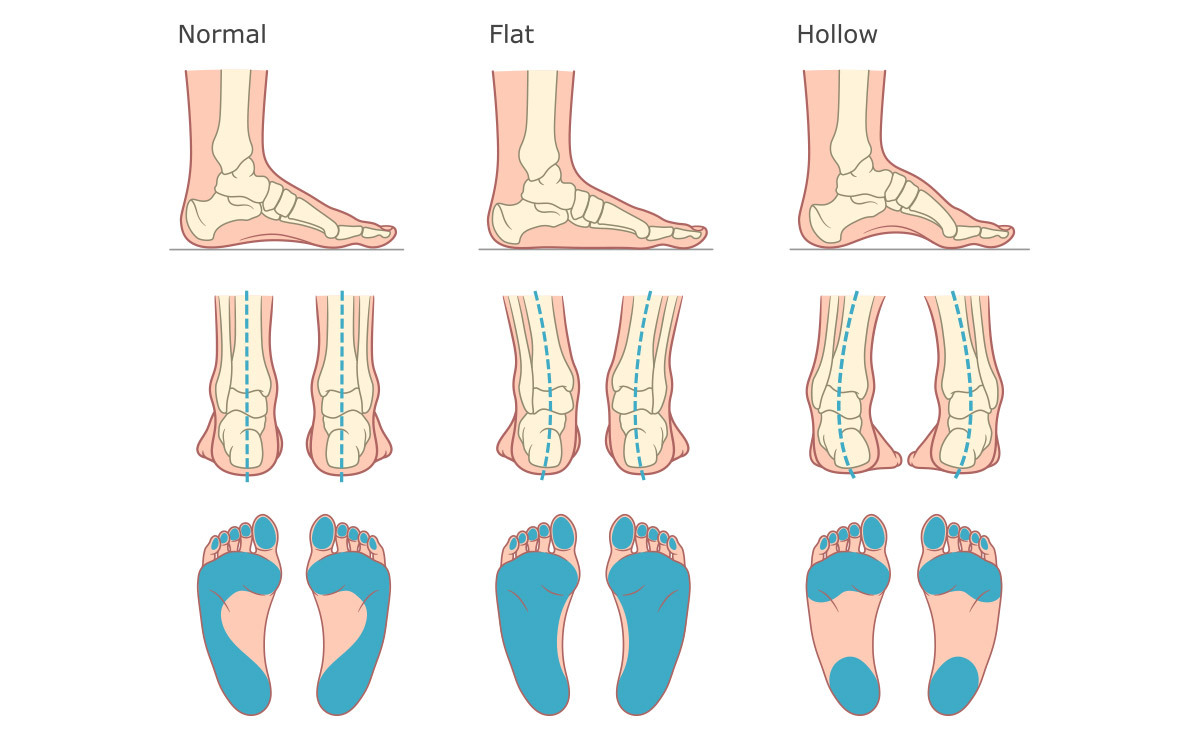
Knowing the difference between women’s and men’s foot health needs can help guide you on what to look for in your next footwear purchase. Remember – comfort is everything!
When INSITE builds insoles for women’s footwear, we focus on data-driven design to ensure we’re meeting women’s specific footcare needs. From our ProvenComfort® biomechanics testing to our podiatrist-designed Contoura® shape based on 120,000 foot scans.
We’re proud to partner with brands like Carhartt, whose Carhartt Women’s Fit insoles are built with 60,000 3D women’s foot scans using our Contoura shape algorithm. And we’re excited to see footwear startups like Saysh and Moolah Kicks leading a new generation of women’s performance-based footwear.
Every woman’s footwear needs is a little different. But with the right data, and a belief that everyone deserves the best comfort, performance, and support possible – we can build shoes that help women live, work, and play at their best.
INSITE ProvenComfort testing gives developers the tools they need to build shoes for the comfort, performance, and support of women’s foot health.
Find the right pickleball shoes for your game. Learn what features matter most for comfort, support, and mobility on the court.
Walk through our updated footwear foams catalog – now with a convenient interactive layout – as you plan your FW ’28 footwear designs.

INSITE is ready to rock the footwear industry once again at the NW Materials Show on September 2-3, 2026 at the Oregon Convention Center. Here’s what you can expect at INSITE Booth #719 as you plan for your NW Materials Show visit.