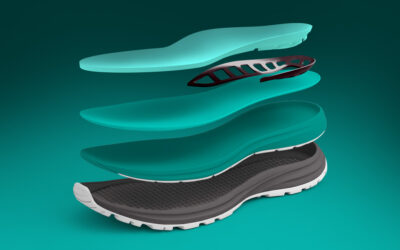
The Anatomy of Footwear Cushioning
Many layers contribute to overall footwear comfort, and we’re taking apart a shoe to go inside each layer and how it helps with everything from cushioning to rebound.


Do your work boots offer anti-static protection? If not, you could be leaving your customers vulnerable to electric shock.
INSITE poured PU insoles with anti-static compounds conduct static electricity into the ground and away from the body, eliminating the risk of static shock.
All of our popular poured PU foams are available with a blend of anti-static compounds. These compounds are tested to regulatory standards in the US, UK, and EU to provide powerful electrostatic protection.
INSITE Levation poured PU foams relieve underfoot pressure and maximize biomechanical efficiency, helping to reduce fatigue and improve all-day comfort for better performance during the workday.
Our poured PU insoles support our Contoura and ArchRelief shapes. These shapes are based on hours of biomechanical research using real human movements.
Our poured PU insoles contain a percentage of plant-based compounds. These plant-based compounds reduce the use of petrochemical ingredients and are more sustainable.
INSITE plant-based insoles use a bio-based propanediol (PDO) compound derived from fermented corn glucose. This bio-PDO enhances our insoles with greater rebound and flexibility, while significantly lowering your carbon footprint.
In 2019, a peer-reviewed life cycle assessment found our bio-PDO compounds reduce CO2 emissions by 48% and non-renewable energy use by 46%, compared to the petrochemical alternatives they replaced.
Enhance your work boots with INSITE Insoles made with anti-static technology. Get in touch with us and request a sample if you’re ready to take your work boots to the next level.
Many layers contribute to overall footwear comfort, and we’re taking apart a shoe to go inside each layer and how it helps with everything from cushioning to rebound.

Discover the three INSITE foam insoles that each satisfy the specific needs brands have for every type of footwear design.

What’s the difference between bio-based foams and recycled foams, and how do each measure up as sustainable insole materials?