
The Footwear Biomechanics of Underfoot Comfort
Competitive or avid runners may use words like “supportive”, “stabilizing”, or “springy” to describe their running shoes, but beneath these more subjective descriptions are footwear biomechanics that are responsible for giving runners a positive experience on the road or trail.
Footwear brands need to understand what runners really feel so their footwear designs can enhance – or alleviate – certain factors that occur with preferred foot movement, which include gait cycle, loads, pressure points, and rebounds.
For these reasons, a big part of insole design at INSITE involves gait testing and pressure mapping as part of our ProvenComfort® testing method, both of which reveal that comfort isn’t defined by a single feature – it is the cumulative effect of many intentional design details working together.
Let’s explore how biomechanics insights translate into the design decisions that runners will actually feel.
The Role of Comfort in the Gait Cycle
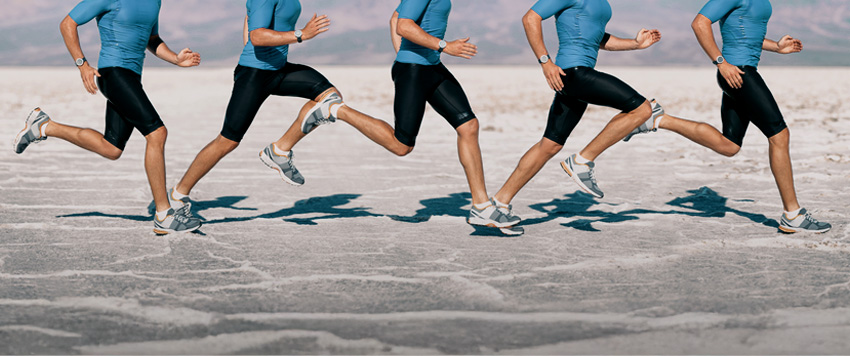
The gait cycle encapsulates the sequence of movements that occur from one foot strike to the next on the same foot. These movements include initial contact, midstance, and toe-off, and during each movement, there are different stressors introduced underfoot:
- Initial Contact: Generates high impact forces, particularly at the heel or lateral midfoot
- Midstance: Requires stability and load distribution as body weight passes over the foot
- Toe-Off: Demands efficient energy return to propel the runner forward
What we learn from gait testing: We use high-speed camera motion capture to analyze gait. Gait testing typically demonstrates that runners are prone to discomfort when any of these movements aren’t properly supported, making a strong case for an effective underfoot design – and an insole that adjusts to ideal foot movement.
Foot Motion and Arch Support
Arch support is a somewhat misunderstood aspect of footwear and insole features among consumers. When wearers feel discomfort or a lack of support, they often seek greater arch support as a solution. However, aggressive arch support isn’t always the best option; runners in particular need more guided support that works with their preferred foot motion.
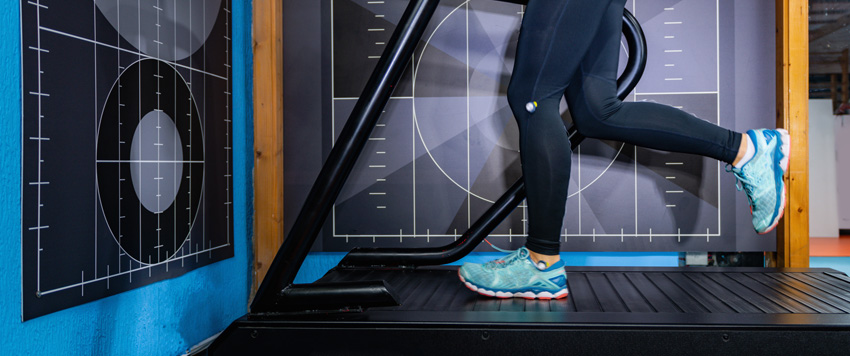
What we learn from pressure mapping: Pressure mapping reveals that a well-designed arch contour increases the contact area under the midfoot, reducing peak pressure points and pronation velocity that can lead to fatigue and potential injury.
From an insole design standpoint, subtle changes clearly matter. Adjusting an arch contour even a few millimeters can shift pressure distribution enough to reduce strain, helping runners experience smoother transitions and less mid-run fatigue. For running shoes, the arch should feel non-intrusive – in short, optimal comfort is achieved through even dispersion of load, not rigid correction.
The Relationship Between the Heel Cup and Stability
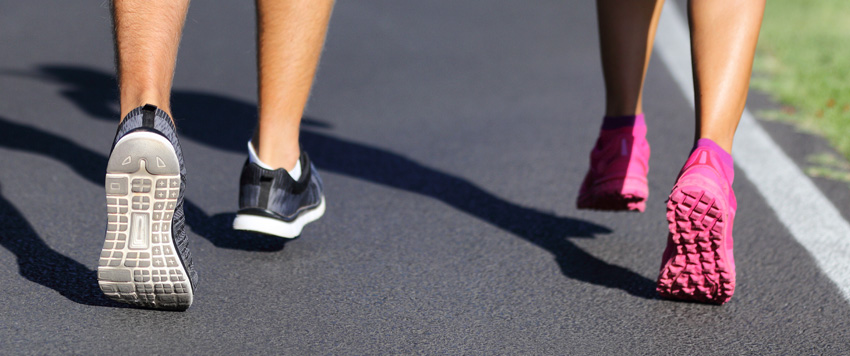
In addition to arch support, stability during a run is also affected by the heel, especially during the initial contact movement. During gait testing, we often see that excessive lateral heel motion is correlated with a feeling of instability, even when there is sufficient cushioning.
The heel cup is responsible for numerous factors that all contribute to comfort and stability while running:
- Centering the heel at impact
- Reducing lateral heel drift
- Improving alignment through midstance
What we learn from stability testing: When coupled with plantar pressure mapping, our high-speed camera motion capture provides insight into heel stability as well as gait. Testing insole stability consistently shows that reduced heel motion and more consistent loading patterns help give runners more confidence in footwear and insole support while they run. It is possible to add stability without adding bulk, and create a secure feel that supports ideal motion.
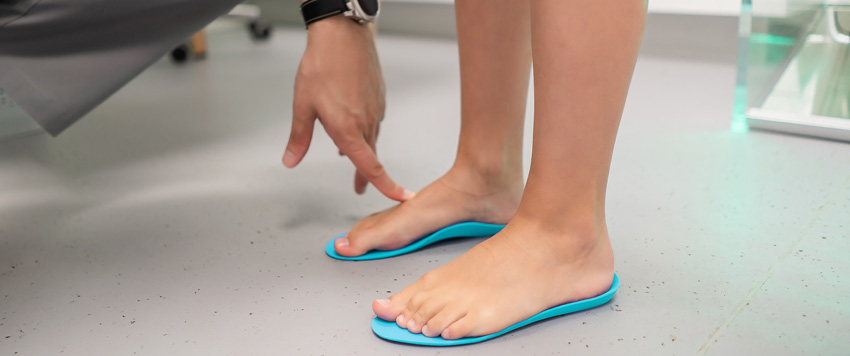
Going Beyond Just “Softness” With Cushioning and Rebound
Cushioning and rebound capability are often confused with softness, as runners might describe a shoe as “soft” because it cushions the foot well. However, impact testing indicates that insoles and footwear that are actually soft can have an opposite effect, increasing energy loss and fatigue by making the foot and leg muscles work harder to compensate for impact.
Effective underfoot systems that are designed using biomechanics data apply several cushioning and rebound attributes:
- Reduction of impact at initial contact
- Maintaining structure under impact
- Providing efficient rebound at toe-off
What impact testing tells us: Conducting impact tests demonstrate that rebound characteristics directly influence whether a shoe feels truly supportive or more “flat” over longer distances and over its lifespan. Insole foams that provide a consistent energy return across mileage, temperatures, and gait patterns help runners maintain a consistent speed and tempo and conserve energy. Cushioning should be more than softness – it must absorb impact and provide balanced rebound to support performance and long-term comfort.

Small Details, Big Support on Short and Long Runs
What biomechanics testing data confirms when designing insoles for running shoes is that runners feel cumulative effects, not individual features. A slightly improved arch contour combined with a more stable heel cup and tuned rebound can dramatically change how a shoe feels, even if the runner can’t pinpoint an exact reason why.
Small design details influence pressure distribution, muscle activation patterns, and muscle fatigue – when even one of these elements is “off”, it can derail an entire running experience. However, when these elements are all aligned, the run will feel effortless, natural, and comfortable.
Our ProvenComfort® method applies a series of biomechanics-based, academic-grade product tests to our insole designs, allowing us to benchmark specific footwear performance metrics that pair the right shoe with the right insole foam and shape.
Critically, this method allows us to ground design decisions in data from gait analysis, pressure mapping, and impact testing, turning subjective perceptions of comfort into objective insight.
Footwear brands can also leverage this powerful translation tool to create running shoes (and other types of footwear!) that feel better not because they’re “softer” or “bouncier”, but because they complement a runner’s preferred movement.
True and lasting underfoot comfort is engineered at the intersection of data and design, where small, intentional details deliver a better run, step after step.