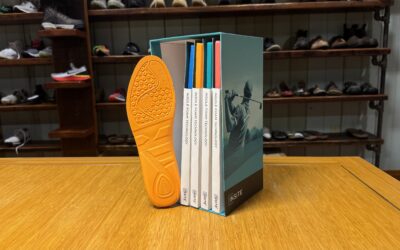
A Look at the INSITE FW ’28 Footwear Foams Catalog
Walk through our updated footwear foams catalog – now with a convenient interactive layout – as you plan your FW ’28 footwear designs.


Each one of your footwear customers has their own unique perception of “comfort”. They know when they feel it – and when they don’t. Being the brand that makes them feel comfort means putting some science behind that perception.
At INSITE, we know all about insole comfort science. Our ProvenComfort® methodology allows us to define and quantify comfort using the science of biomechanics and data, and build it into every insole. When comfort is engineered from the ground up, you can deliver a better footwear experience for your customers.
In this article, we break down what really makes a shoe comfortable, including the role of insole foams and smart underfoot engineering that transforms comfort into measurable performance.

Your customer’s foot makes contact with the insole first – making it the first experience they have with the shoe’s overall comfort. Our applied insole science helps ensure the insole properly supports impact and stabilizes the heel, preventing the shoe from feeling flat or non-supportive.
Different foams behave differently, and foam selection is based on the type of footwear and what activity the foam insole needs to support. We consider foam structure and formulation to engineer precise pressure absorption, distribution, and energy return during movement.
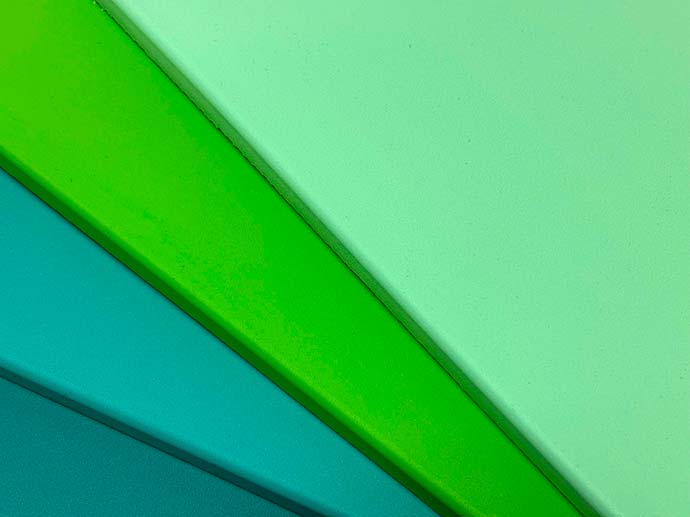
Our range of foams are each tailored for specific performance benefits, and help you deliver the most comfortable footwear experience.
Matching the right foam to the right shoe category ensures every wearer, no matter their activity, gets the comfort they expect.
Foam alone can feel good, but without the proper shape, it won’t work with the mechanics of your customer’s foot motion. To provide optimal comfort underfoot, we engineer our insole shapes using biomechanics science and data. Using our ProvenComfort method, we combine real-world testing with cutting-edge biomechanics tools to quantify comfort from every angle.

Gait Testing: We use high-speed camera motion capture to analyze gait. Gait testing typically demonstrates that individuals are prone to discomfort when movement isn’t properly supported, making a strong case for an effective underfoot design – and an insole that adjusts to ideal foot movement.
Pressure Mapping: Pressure mapping reveals that a well-designed arch contour increases the contact area under the midfoot, reducing peak pressure points and pronation velocity that can lead to fatigue and severe discomfort.
Impact Testing: Impact testing demonstrates that rebound characteristics directly influence whether a shoe feels truly responsive or more shock-absorbing over its lifespan. Insole foams that provide a consistent energy return over time, adding balanced rebound for long-term comfort – not just softness.
Human Perception Testing: Comfort is a personal experience, so we include real user feedback through psychometric surveys to benchmark comfort perception. By combining objective metrics with real human experience, we deliver design insights that consistently produce comfort people feel from day one.
Comfort isn’t static — it’s dynamic. Your feet move, your gait changes, and your footwear needs to respond. We don’t just engineer a comfortable insole — we engineer insoles that support movement, promote foot health, and feel great whether your customers are standing all day, hitting the trails, or walking to work.
The features that make a shoe comfortable are more than buzzwords — they’re biomechanics, pressure management, and smart material science working together. From cushioning foams that absorb impact and distribute pressure to dynamic shapes that support arches and stabilize the heel, comfort is an engineering challenge – but one we have achieved to make your footwear even more comfortable for your customers.
Show your customers your with them every step of the way with insole foams that just won’t quit.
Walk through our updated footwear foams catalog – now with a convenient interactive layout – as you plan your FW ’28 footwear designs.

INSITE is ready to rock the footwear industry once again at the NW Materials Show on September 2-3, 2026 at the Oregon Convention Center. Here’s what you can expect at INSITE Booth #719 as you plan for your NW Materials Show visit.

The 2026 FIFA Men’s World Cup is underway! No matter your level of play, one thing’s for certain: good cleats can make all the difference in your game. In this post, we break down the features you need to excel on the field.