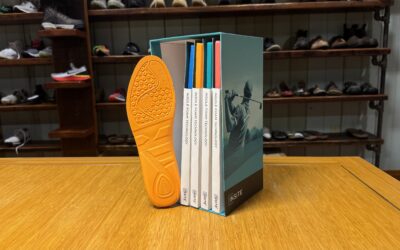
A Look at the INSITE FW ’28 Footwear Foams Catalog
Walk through our updated footwear foams catalog – now with a convenient interactive layout – as you plan your FW ’28 footwear designs.

Your customers want their footwear to be aesthetically pleasing, durable, and supportive of their movements, whether they’re running, spending a night on the town, or giving guiding tours. These needs boil down to the trend of footwear experience design, in which footwear isn’t just about the construction of a shoe – it’s about the experience.
A great footwear experience starts and ends with comfort, and is delivered across all components of the shoe, including the insole. More leading footwear brands are understanding that what’s inside counts just as much as the outward-facing style, which is why many are turning to performance insoles as a way to elevate comfort and support – and deliver a better customer experience that reinforces premium price points and overall quality.
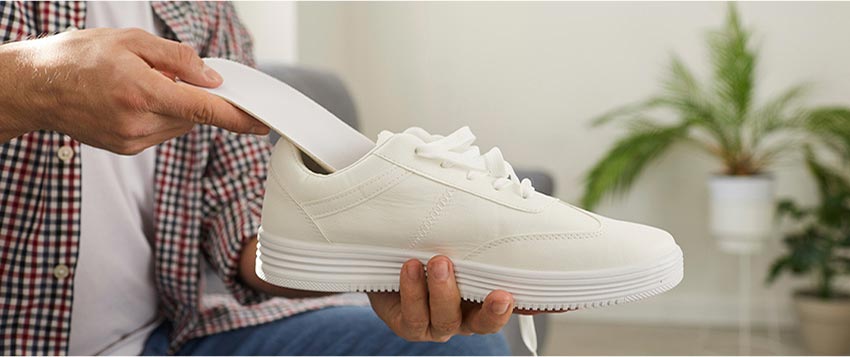
For a long time, insoles were easily-overlooked as thin layers of foam that either wore down quickly or needed immediate replacement just to wear the shoes.
Custom orthotics started a broader conversation about the type of insole all footwear should offer, and now, customers expect a high-quality and comfortable fit right out of the box. In response, brands have been investing in better insoles to influence their customers’ perception of the comfort and performance of their footwear.
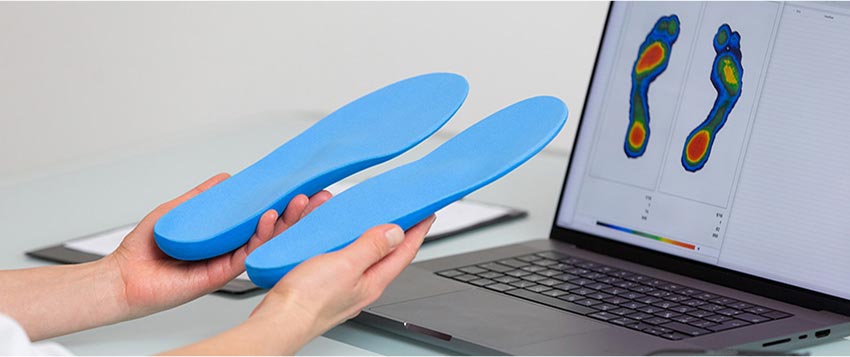
INSITE was founded on the knowledge that customers expect a more comfortable shoe, and over time, we evolved our approach to performance insoles with our ProvenComfort® method, a science-backed approach that leverages third-party, academic-grade testing to quantify comfort.
Instead of guessing what might feel good to the average wearer, we measure it. By analyzing biomechanics, pressure mapping, and real-world movement patterns, we identify the ideal level of comfort for the way people really move, and pair that data with the type of footwear and how it will be used.
This process ensures that every insole we develop for our partner brands delivers not just ideal cushioning, but the right balance of support and stability.
Brands that prioritize footwear experience design and use data- and science-backed insoles are making a strategic business move. Here’s why:
Premium justification: A shoe that feels amazing with every step can command a higher price point, reduce returns or unsold items, and increase brand recognition in the industry.
Customer loyalty: Comfort is one of the strongest drivers of repeat footwear purchases. When a brand gets it right, their customers come back – and spread the word.
Market differentiation: With so many footwear options available, a superior insole can be the factor that differentiates one brand from another.
Eliminating aftermarket needs: By delivering footwear with built-in comfort, performance, and support, brands prevent consumers from seeking third-party replacements and maintain value with their original product.

Every INSITE insole foam is engineered to deliver comfort, performance, and support from the very first wear. Our use of biomechanics science and the ProvenComfort method allow us to develop the right foam construction and pair it with the ideal insole shape for your specific footwear.
We help brands integrate insoles that match the intended use of your footwear line, whether it’s for running, work, casual wear, or outdoor adventure.
The result is a better experience for your customer and a stronger value for your brand. And as the footwear industry continues to evolve and customer demand changes as well, the insole is no longer an accessory or unimportant component. It’s a core element of the footwear experience, and leading brands are proving that investing in the insole is about comfort and overall experience.
Walk through our updated footwear foams catalog – now with a convenient interactive layout – as you plan your FW ’28 footwear designs.
INSITE is ready to rock the footwear industry once again at the NW Materials Show on September 2-3, 2026 at the Oregon Convention Center. Here’s what you can expect at INSITE Booth #719 as you plan for your NW Materials Show visit.

The 2026 FIFA Men’s World Cup is underway! No matter your level of play, one thing’s for certain: good cleats can make all the difference in your game. In this post, we break down the features you need to excel on the field.