
3 Foams, All the Comfort, Performance, and Support
Discover the three INSITE foam insoles that each satisfy the specific needs brands have for every type of footwear design.

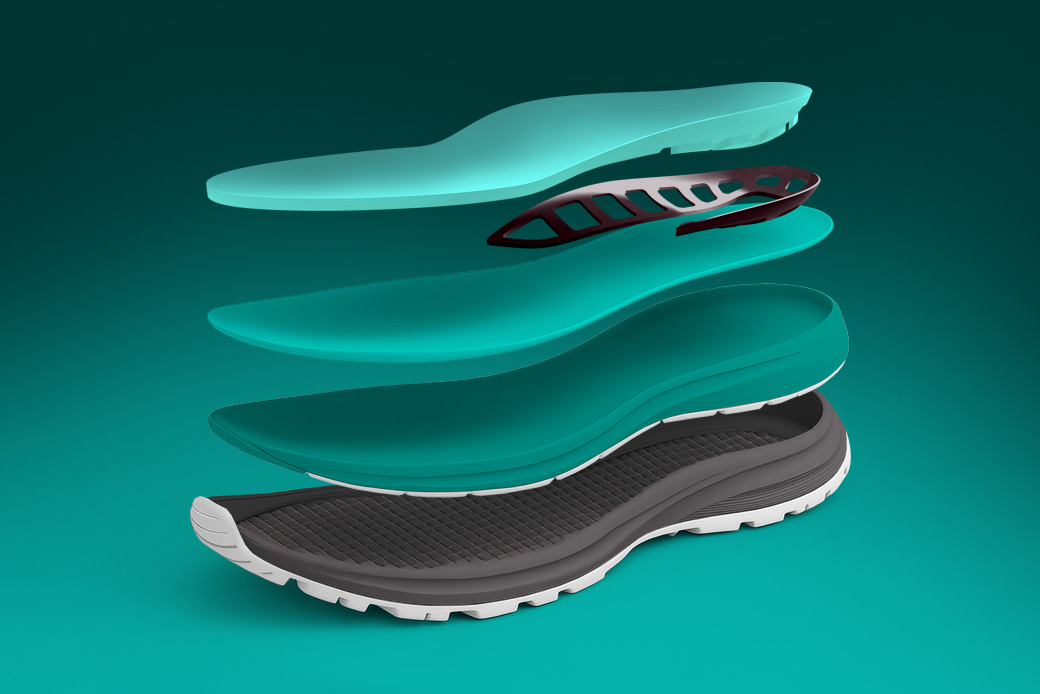
Footwear designers and developers know that a comfortable pair of shoes is the result of great engineering. There are multiple layers that make up modern footwear, and each is integral to delivering comfort, performance, and support – as well as cushioning, stability, and rebound.
Footwear comfort comes from the combination of layers working together to absorb impact, align with preferred movement, and encourage all-day support.
We’ve said it before and we’ll say it again – footwear can be incredibly well-designed, but with a poor insole, those features are far less impactful. Insoles shape the initial step-in experience and influence overall performance throughout the life of the shoe.
In this article, we break down each layer of footwear and how it contributes to overall footwear comfort – and we’re starting with the insole as the piece that unlocks the most meaningful gains from the rest of the shoe.
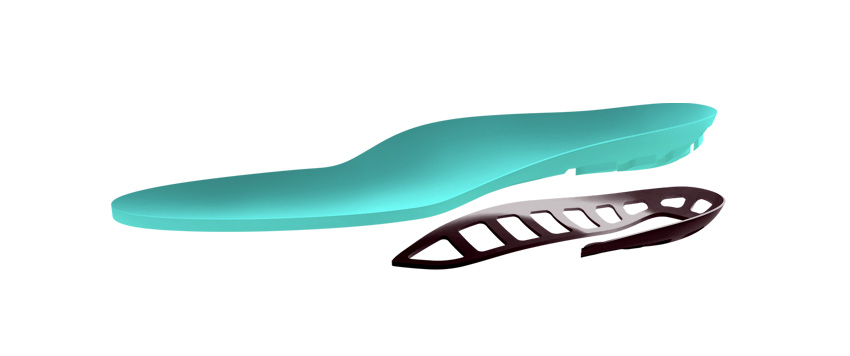
With the insole playing such a direct role in how someone moves in a shoe, even small improvements in material makeup or shape can elevate footwear comfort and create a better customer experience. With the right insole, your footwear brand can have a big impact with the least disruption to existing designs.
Beneath the insole lies the Strobel board, often a woven fabric or thin foam-backed layer stitched directly to the upper. Its job is subtle, but essential.
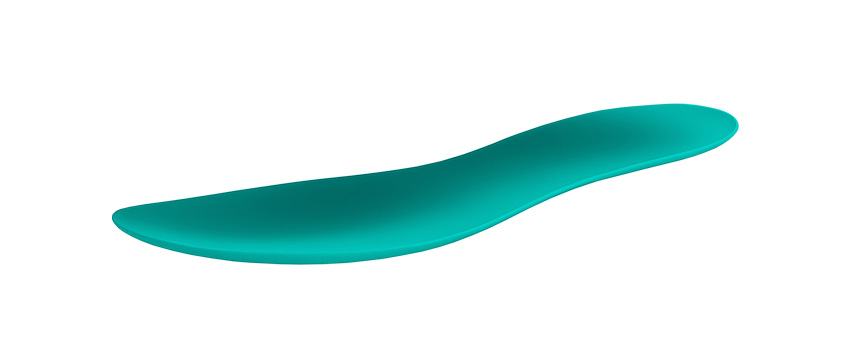
While often overlooked, the Strobel is a great way to double up the cushioning benefits of the insole, especially in lightweight or minimal footwear where every part of the construction matters.
The midsole absorbs the majority of impact during movement like walking, running, hiking, or standing. Typical midsole materials include EVA, PU, or specialized high-rebound foams.

The midsole and insole complement each other: the insole supports the foot’s biomechanics and the body’s natural movement, while the midsole provides the deeper shock absorption and energy return. Together, the insole and midsole deliver long-term comfort.
The part that touches the ground needs to be built for durability and traction. The outsole is typically constructed from rubber or specialized compounds to withstand the elements and take on any terrain.

While the outsole doesn’t directly cushion the foot, its design plays a major role in how stable and supported the wearer feels.
The layers inside a shoe function as a system, but the insole is the underpinning of the complete experience, shaping the foot’s interaction with the rest of the shoe.
Well-designed insoles help brands:
At INSITE, we use biomechanics data, pressure mapping, and proprietary foam material formulations to engineer insoles that optimize the other layers of your footwear. When you invest in better insoles, you’re not upgrading only one component – you’re upgrading the entire shoe.
Discover the three INSITE foam insoles that each satisfy the specific needs brands have for every type of footwear design.

What’s the difference between bio-based foams and recycled foams, and how do each measure up as sustainable insole materials?

Improve the insole comfort experience of your customers right out of the box with INSITE Insoles – and learn how we do it.