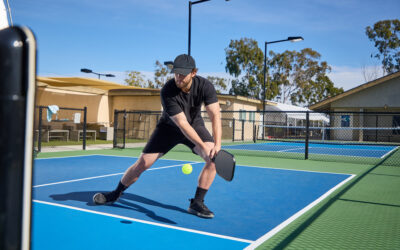
A Guide to Pickleball Shoes for Every Skill Level
Find the right pickleball shoes for your game. Learn what features matter most for comfort, support, and mobility on the court.


From the racing flats that carry athletes across the finish line, to the sneakers that keep workers on their feet for long shifts, there is one foam the footwear industry has relied on for decades to provide breathable, lightweight cushioning. Open cell PU foam insoles have been a mainstay for delivering all-day comfort, at an affordable price point that helps brands keep costs lower for their customers.
But even tried-and-true materials need to shake things up now and then. INSITE EcoComfort® open cell PU foams introduce new levels of performance and durability. And as a bonus, we’ve partnered with bio-based suppliers to dramatically reduce the use of fossil fuel in our open cell PU production—without sacrificing the quality that traditional open cell PU is known for.
In a nutshell, open cell polyurethane (PU) foam has two features that make it ideal for insole cushioning:
Since its commercial debut over 70 years ago, open cell PU foam has been found in mattresses, medical supplies, athletic equipment and, of course, footwear. According to the Polyurethane Foam Association, there are over “1.5 billion pounds of foam produced and used every year in the US alone.” Wherever you find comfort, there’s a good chance you’ll find an open cell PU foam.
Given how open cell PU foam can make you feel like you’re walking on air, it’s easy to see why so much footwear uses it for their insoles. But what makes EcoComfort stand out above the rest?

It’s time to embrace the change! INSITE EcoComfort open cell PU foams have better compression sets, a wide range of cushioning properties, and bio-based options that take performance to the next level. Best of all, there are lot of ways to roll EcoComfort foams into your footwear for long-lasting, breathable cushioning:
Whatever plans you have for your next footwear design, EcoComfort foams take the already versatile open cell PU to the next level.
Show your customers your with them every step of the way with insole foams that just won’t quit.
Find the right pickleball shoes for your game. Learn what features matter most for comfort, support, and mobility on the court.
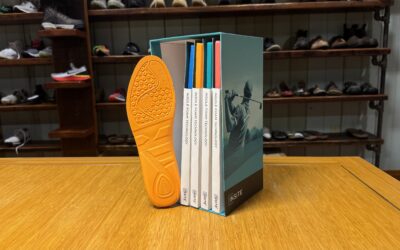
Walk through our updated footwear foams catalog – now with a convenient interactive layout – as you plan your FW ’28 footwear designs.

INSITE is ready to rock the footwear industry once again at the NW Materials Show on September 2-3, 2026 at the Oregon Convention Center. Here’s what you can expect at INSITE Booth #719 as you plan for your NW Materials Show visit.