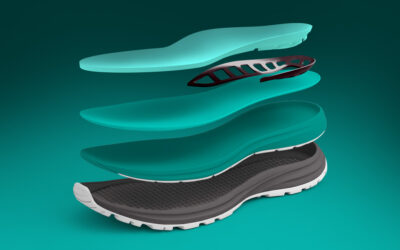
The Anatomy of Footwear Cushioning
Many layers contribute to overall footwear comfort, and we’re taking apart a shoe to go inside each layer and how it helps with everything from cushioning to rebound.


A footwear designer’s choice of insole depends on the type of footwear – are you looking for durability? Breathability? Lightweight? Maybe cost is the biggest factor but you don’t want to compromise on comfort and performance. Ideally, you’re able to use an insole that fits your footwear, whether it’s a work boot, running sneaker, or minimalist shoe.
Selecting an insole doesn’t have to be complicated when you have a selection of insole foams that are each engineered to meet different footwear needs while delivering all the comfort, performance, and support benefits.
INSITE’s foam lineup includes:
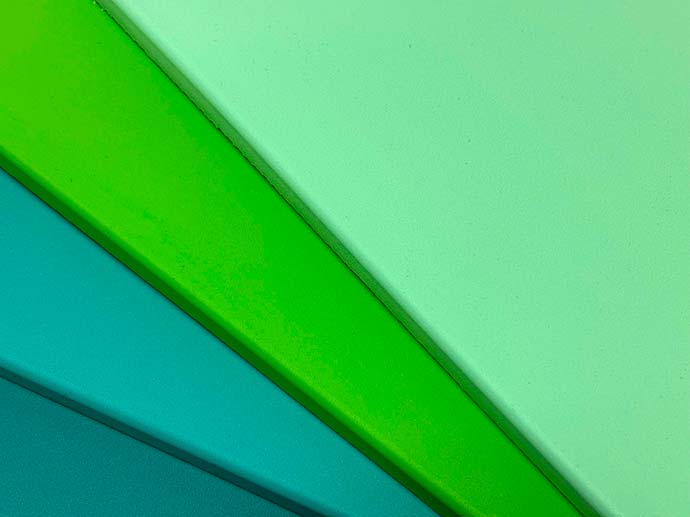
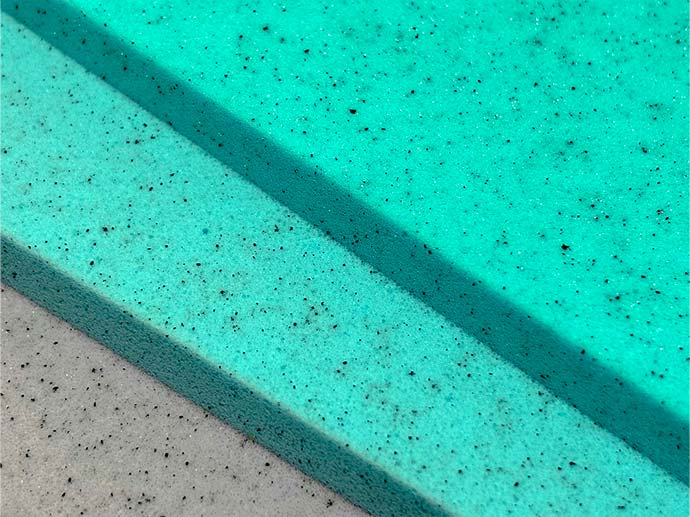
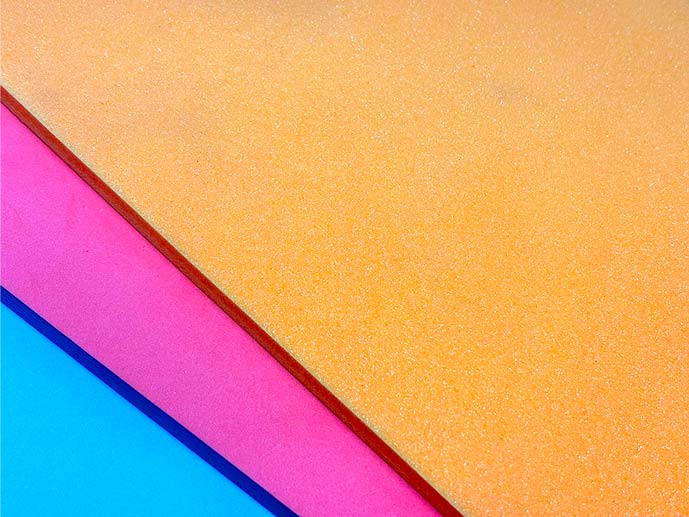
In this guide, you’ll learn about the benefits, basic chemistry, and structure of these foam categories and the ideal footwear for each.

Here’s a quick primer on the chemistry of these foam types:
Open-Cell Foam: In open-cell foams, many of the microscopic cells are connected, allowing air and moisture to circulate and compress more easily, often resulting in softer cushioning, greater breathability, and a more comfortable underfoot feel.
Closed-Cell Foams: With closed-cell foams, gasses are trapped in individual cells, which can make them more rigid, water-resistant, and durable under long-term compression.
Polyurethane (PU) Foam: PU foams can be open cell or poured, but either way, PU foams are versatile and can be formulated across a wide range of densities, firmnesses, and resilience levels. PU tends to provide reliable cushioning and shock absorption, and can be engineered for durability or softness depending on the footwear.
EVA Foam: Ethylene-vinyl acetate (EVA) is a lighter-weight, closed-cell foam that is widely used in athletic midsoles and insoles. EVA provides good cushioning, impact absorption, and shape retention.
INSITE’s three foams capitalize on the benefits of these foam types, allowing footwear designers to find the right foam for their design goals. Let’s dig into our three insole foams and how they deliver on the properties of their foam chemistry.

EcoComfort’s open-cell architecture means it responds more dynamically to compression from walking, running, or standing. Air can move in and out of the foam’s cells more freely, often resulting in a softer, more adaptive cushioning experience than closed-cell foams. Over time, this structure can feel more natural, molding to an individual’s foot and providing ongoing comfort.
Choose EcoComfort for footwear that undergoes long hours of standing or walking when comfort, softness, and breathability are the top priorities:

Levation is a poured polyurethane (PU) foam formed by pouring a liquid PU mixture into a mold and letting it cure. The result is a more uniform foam structure (compared to loose or cut foams), often with controlled density and greater resilience. Poured PU foams typically maintain compression set resistance, meaning they hold up under repeated use without flattening out too quickly.
Choose Levation for footwear that requires more durable insoles but still must offer comfort, performance, and support to balance high activity:

Pulsion is an EVA (ethylene-vinyl acetate) closed-cell foam that reduces water absorption by keeping air pockets within the foam isolated (closed). The result is a lightweight foam with high rebound, delivering consistent cushioning, resilience, and support over the life of the footwear.
Choose Pulsion for footwear that needs lightweight athletic performance – and when you want a cost-effective solution for lower-priced footwear that still offer comfort, performance, and support:
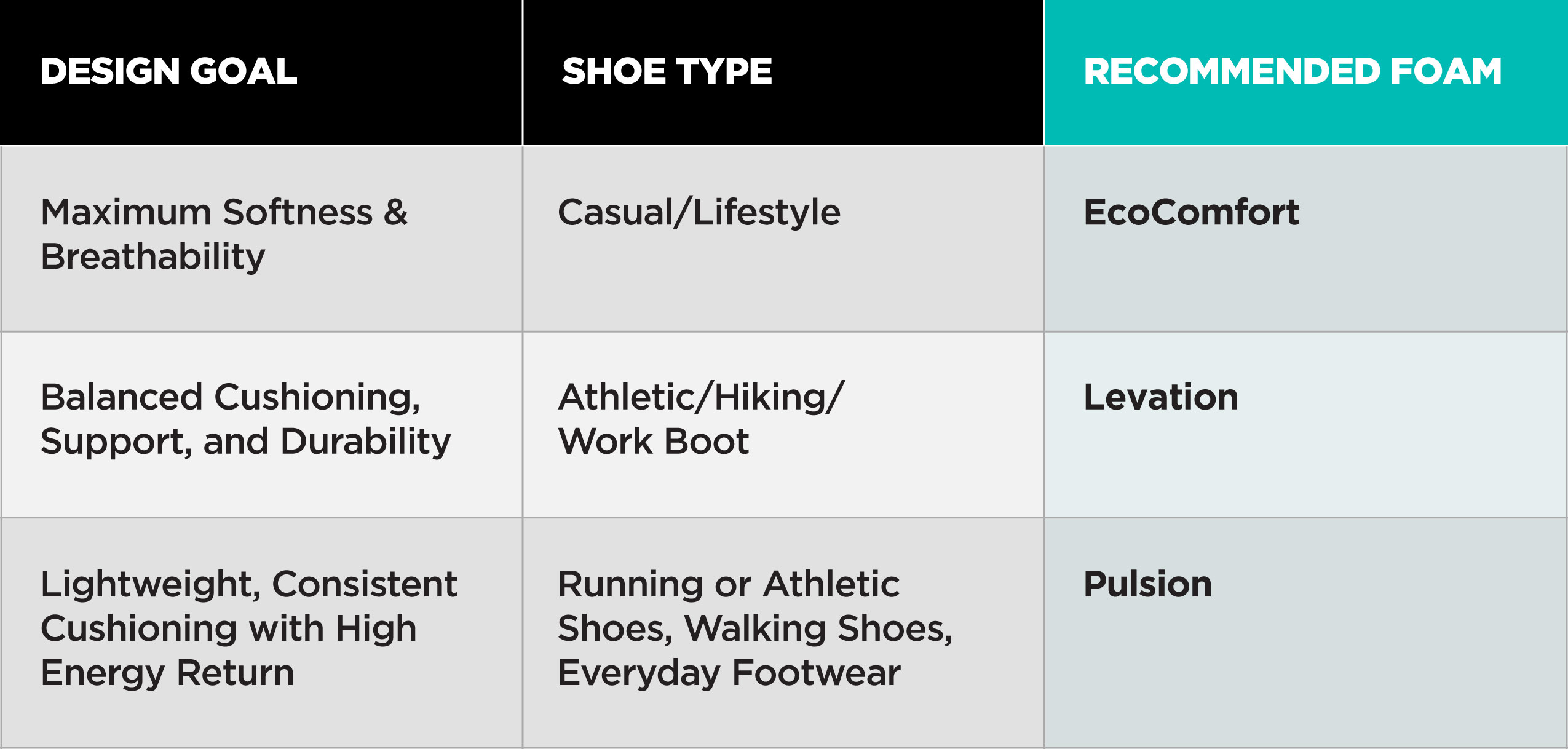
Here are some other factors to consider.
A lighter foam like Pulsion might make the most sense if the shoe already uses a robust midsole for cushioning, stability, or technical performance. For a more minimalist shoe where comfort is critical, EcoComfort adds that natural underfoot feel.
Where durability and longevity of the shoe are the most critical, such as for hiking boots, work boots, or running shoes, poured PU foams like Levation can deliver greater performance over the life of the shoe than a soft open-cell foam.
Finally, where customer comfort is paramount (and it should always be a factor regardless of other design priorities), there are some differences in how that comfort can be delivered. A plush, “walking on clouds” feeling can be achieved using open-cell foam, which delivers a more premium feel. For a more reliable and consistent comfort, closed-cell or poured PU foams will deliver the greatest everyday comfort over the long term.
We offer three carefully-engineered foams to give footwear designers the flexibility to match insole performance to the needs of your footwear line.
Whether you’re designing a high-end casual sneaker, a rugged work boot, or a performance running shoe, INSITE’s foam portfolio ultimately offers a foundation for comfort, performance, and support that aligns to your design vision.
Many layers contribute to overall footwear comfort, and we’re taking apart a shoe to go inside each layer and how it helps with everything from cushioning to rebound.

What’s the difference between bio-based foams and recycled foams, and how do each measure up as sustainable insole materials?

Improve the insole comfort experience of your customers right out of the box with INSITE Insoles – and learn how we do it.